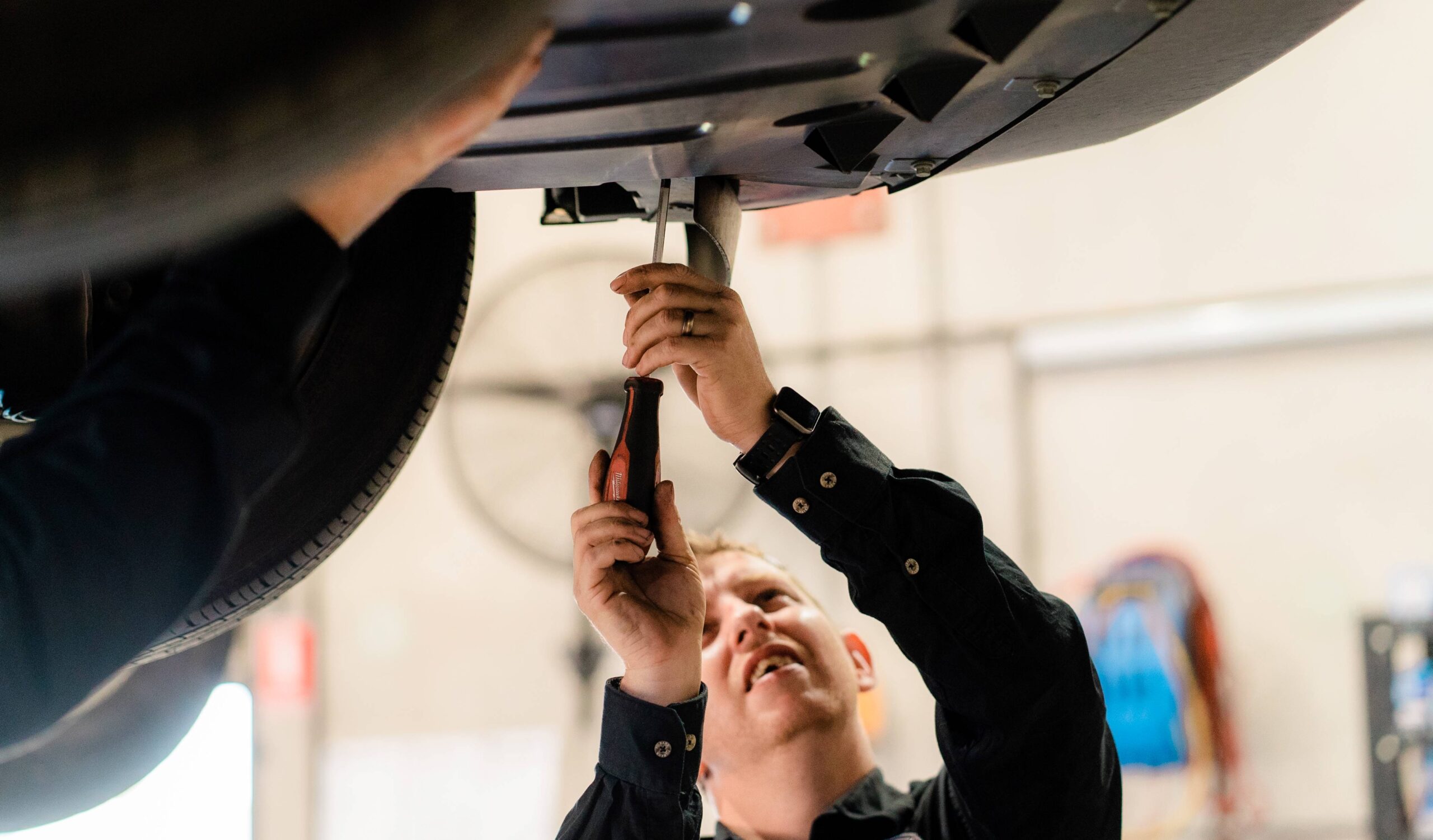
Why Roadworthy Inspections Are Essential For Safe Driving In Coolum Beach
Roadworthy inspections help identify defects in the systems you depend on to brake, steer and see clearly. Booking a roadworthy in Coolum gives you an opportunity to address safety issues before they create problems during everyday driving, from school drop-offs to trips through Coolum Beach.
For families, a car’s safety matters every time someone gets behind the wheel. We encourage drivers to think beyond paperwork and consider what an inspection can reveal about the vehicle carrying their passengers. Finding a defect is useful, but repairing it is what addresses the risk.
What Does An Inspection Check?
A Queensland safety certificate inspection assesses a vehicle against minimum safety standards. It covers components including tyres, brakes, steering, suspension, the windscreen, lights and body rust or damage. These checks focus on roadworthiness rather than every aspect of mechanical condition.
Approved inspection stations use the relevant vehicle inspection manual to assess vehicles consistently. That gives the inspection a defined scope and set of criteria, rather than relying on whether a car looks tidy or feels familiar to drive.
We explain findings so you understand which items need attention and why. A clear explanation helps you make decisions about repairs, particularly when a fault involves something you cannot easily see from outside the vehicle.
Why Brakes And Tyres Matter
Brakes and tyres affect your ability to slow down and stop when traffic changes unexpectedly. Their condition, tyre pressure, road surface and weather all influence stopping distance. A driver can react promptly and still face additional risk if the vehicle’s braking or grip is compromised.
Wet weather makes those considerations especially relevant. Water reduces friction between tyres and the road, so safe driving requires lower speeds and more space to stop. Keeping the vehicle’s safety components in suitable condition supports those precautions.
Consider this hypothetical example: a parent notices a change in braking during the school run but puts it down to the road surface. An assessment identifies a brake defect that needs repair. Addressing the problem helps restore braking performance before the next unexpected stop, although no inspection can guarantee that a collision will never occur.
We recommend reporting changes in pedal feel, braking response or tyre wear rather than waiting for the next occasion when you need a certificate. Those observations help us understand what has changed and arrange the appropriate assessment.
Steering, Suspension And Vehicle Control
Steering and suspension condition matters because these systems help you control the vehicle. A steering wheel that wobbles or pulls to one side deserves attention, even when the car still completes your usual trips. Queensland’s vehicle safety guidance specifically encourages drivers to report these signs.
Familiarity can make gradual changes easy to overlook. If you regularly drive the same family car, you may adapt to a difference without recognising how noticeable it has become. We suggest describing when the behaviour occurs, such as while braking, turning or driving over uneven surfaces.
Avoid diagnosing the cause yourself. Similar symptoms can arise from different problems, and replacing a component without an assessment may leave the underlying issue unresolved. A roadworthiness check or targeted mechanical investigation should match the concern you are reporting.
Visibility And Passenger Protection
Being able to see clearly and communicate with other drivers is part of vehicle safety. Damaged windscreens, ineffective wipers and faulty lights can affect what you see or whether others recognise your intentions. Brake lights and indicators deserve attention alongside headlights.
Passenger protection also requires more than checking that everyone has buckled up. Worn seatbelts are among the defects Queensland transport inspectors look for. Damage to webbing or problems with a buckle should be assessed rather than accepted as normal wear.
For a family car, these details matter on short journeys as well as longer drives. We encourage you to report faults noticed by other regular drivers or passengers, since they may identify something you have not seen yourself.
Booking A Roadworthy In Coolum
A local workshop inspection gives you a practical starting point when you need a safety certificate. Queensland requires these certificates in specified circumstances, including certain registration and transfer situations, with exemptions applying in some cases. The Queensland Government provides the current requirements.
However, concerns about safety do not need to wait for a paperwork deadline. Tell us whether you need a formal certificate or want a particular fault assessed, so we can discuss the appropriate booking. A worrying symptom may require diagnosis beyond the certificate inspection’s scope.
Useful details to share when arranging an appointment include:
- Your vehicle’s make, model and registration
- Whether you need a safety certificate
- Any warning lights, unusual noises or handling changes
- When a symptom occurs and how often
- Recent repairs relevant to the concern
Providing this information helps us understand your needs before the vehicle arrives. We can then explain the inspection process and discuss any additional work that may be appropriate.
Acting On Inspection Findings
An inspection supports safer driving when identified defects lead to action. If a vehicle does not meet the required standards, the next step is to understand the findings, arrange suitable repairs and complete any required reinspection. We can explain the issues and repair options available through our workshop.
Ask questions if the report contains terms you do not recognise. Understanding which component is affected and what needs correcting makes the repair decision clearer. It also helps distinguish required rectification from other maintenance that may be recommended separately.
A certificate should not be treated as a promise about the vehicle’s future condition. Queensland makes clear that a safety certificate inspection is not a comprehensive assessment of mechanical quality or life expectancy. Continue servicing the vehicle and responding to new symptoms after it passes.
Keeping Safety Part Of Your Routine
Between workshop visits, Queensland’s vehicle safety guidance encourages checking tyres, lights, wipers and steering behaviour, and discussing safety concerns with a mechanic. We also recommend following your manufacturer’s servicing instructions.
Shared family vehicles benefit from shared communication. Let other drivers know about a developing issue, record when it occurs and arrange assessment promptly. This prevents a concern noticed by one person from being missed by everyone else.
The practical takeaway is to combine professional inspection with timely repairs and ongoing care. A safety certificate has a defined purpose, while safe driving also depends on the vehicle’s continuing condition, your attention and how you respond to road conditions.
Book An Inspection Today
At Bliss Mechanics, we provide roadworthy inspections at our Coolum Beach workshop. Contact our team to book your roadworthy in Coolum or discuss a vehicle safety concern, and we will explain the appropriate next steps for your car.
Frequently Asked Questions
Can I Receive An Electronic Safety Certificate?
Yes, Queensland approved inspection stations can issue electronic safety certificates. The station may email you a digital copy or provide a printed copy. Ask about the available format when arranging your appointment.
What Should I Bring to the Appointment?
Bring your vehicle keys and the booking details requested by the workshop. If someone else is dropping off the car, provide a contact number for the person authorised to discuss findings and approve repairs. Confirm any paperwork requirements when booking.
Will Repairs Start Without My Approval?
An inspection booking should clearly distinguish the assessment from any subsequent repair work. Ask the workshop to contact you with findings, proposed repairs and costs before proceeding. We encourage you to confirm that arrangement when you book.
How Should I Describe an Intermittent Fault?
Describe what happens, how often it occurs and the conditions at the time, such as a cold start or wet weather. A dated note can help you explain the pattern accurately. Do not try to recreate an unsafe situation just to demonstrate the fault.